
Last updated: March 2026
What does THCA actually do in the body? Why do the effects differ from THC? And what does research say? Here is the complete guide to THCA effects — written by us at DR. Herbals, who produce legal THCA products 2019 sedan.
Contents
- Short version - what happens in the body?
- The endocannabinoid system (ECS)
- Why doesn't THCA bind to CB1 receptors?
- Effects of raw THCA
- Effects when THCA is heated - decarboxylation
- THCA effects vs THC effects
- What does the research say about THCA?
- How long do the effects last?
- Factors affecting the experience
- THCA and drug testing
- Buy legal THCA products in Sweden
- Why choose DR. Herbals?
- FAQ
Short version - what happens in the body?
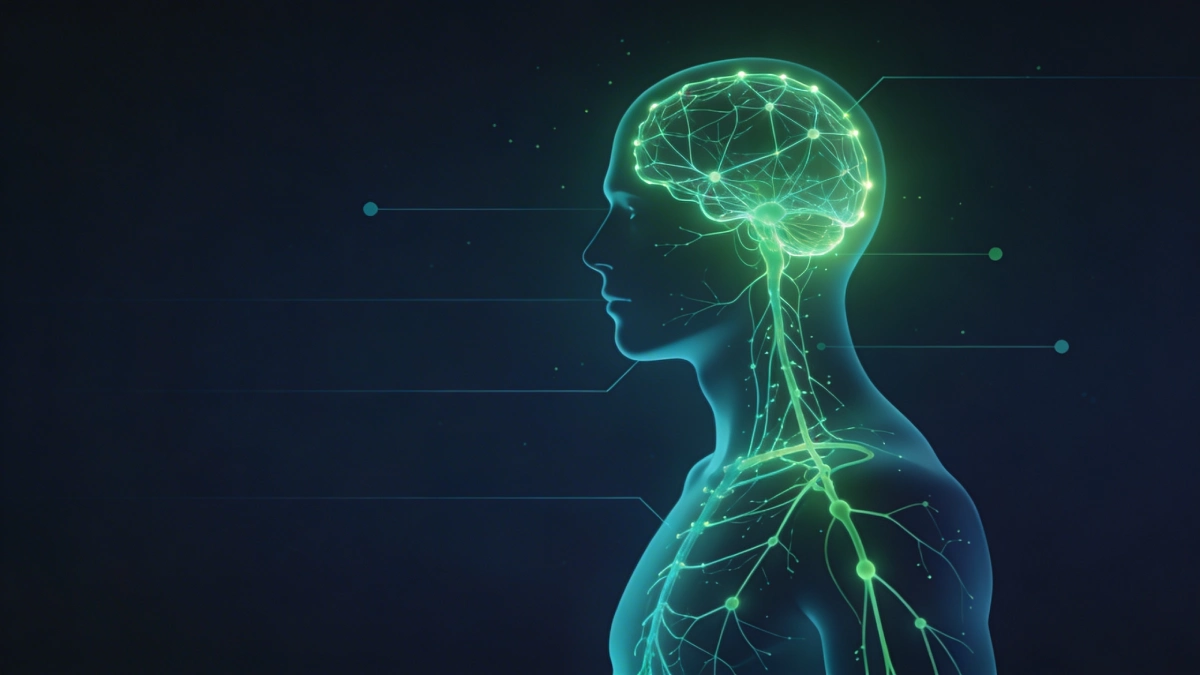
THCA in its raw, unheated form interacts with the body's endocannabinoid system (ECS) but in a fundamentally different way to THC. The crucial difference is that THCA cannot bind effectively to CB1 receptors in the brain - the receptors that cause psychoactive effects.
Research on the effects of THCA in its raw form is still at an early stage. The majority of studies are preclinical - conducted in laboratories or animals, not in humans. DR. Herbals makes no medical claims about THCA.
The endocannabinoid system (ECS)
Understanding the effects of THCA requires an understanding of the endocannabinoid system - the biological network with which cannabinoids interact.
The ECS is a complex cell signaling system found throughout the body and brain. It plays a role in the regulation of many basic functions.
The ECS consists of three parts: endocannabinoids (the body's own cannabinoids), receptors (mainly CB1 and CB2) and enzymes that break down endocannabinoids. Herbal cannabinoids such as THCA and THC interact with this system - but in very different ways.
Why doesn't THCA bind to CB1 receptors?
CB1 receptors are mainly found in the brain and central nervous system. It is the binding to these receptors that causes the psychoactive effects of THC - the intoxication, euphoria and cognitive changes.
THCA has an additional carboxyl group (COOH) attached to the molecule. This carboxyl group makes the THCA molecule too big and too differently shaped to fit into the CB1 receptors. It's like a lock and key - the THCA key simply won't fit in the CB1 lock.
THC lacks the carboxyl group and can therefore bind effectively to CB1 receptors. This is exactly why THCA is non-psychoactive but THC is psychoactive - despite being chemically almost identical.
Effects of raw THCA
In its raw, unheated form, THCA no psychoactive effects. You will not get high, intoxicated or cognitively affected by raw THCA. This is one of the fundamental reasons why THCA products are legal in Sweden.
Research on what crude THCA actually does in the body is limited but growing. It is important to emphasize that the majority of existing research is preclinical and no conclusions about medical effects can be drawn.
What research has investigated
Preclinical studies have investigated the interaction of THCA with the body's biological systems. Research has looked at how THCA interacts with TRPA1 and TRPM8 receptors, which are different from CB1 receptors. However, these studies are in the early stages and the results cannot be directly translated into conclusions about effects in humans.
Effects when THCA is heated - decarboxylation
This is where it becomes legally important. When THCA is exposed to sufficient heat decarboxylation - the carboxyl group is removed and THCA is converted into active THC. From that moment on, the substance is psychoactive and illegal in Sweden.
| Methodology | temperature | What is happening | Is it legal? |
|---|---|---|---|
| Storage in the refrigerator | 4°C | Minimal decarboxylation | ✅ Yes |
| Room temperature | 20°C | Very slow transformation | ✅ Yes |
| Oven (low temp) | 120-150°C | Gradual conversion to THC | ❌ No |
| Vaping | 180-220°C | Rapid conversion to THC | ❌ No |
| Smoking | 700-900°C | Immediate conversion to THC | ❌ No |
THCA effects vs THC effects
THCA (raw form) ✅
- No psychoactive effect
- No intoxication
- Does not bind effectively to CB1
- Legal in Sweden
- Can be used decoratively and aromatically
THC (active form) ❌
- Psychoactive effect
- Intoxication and euphoria
- Binds to CB1 receptors
- Illegal in Sweden
- Classified as narcotic
It is important to understand that these differences are not gradual - it is not that THCA produces "some" of the effects of THC. In its raw form, THCA produces fundamentally different interactions in the body compared to THC, and the psychoactive effect is completely absent.
What does the research say about THCA?
THCA is a relatively new area of research. Interest has increased as more countries have legalized or decriminalized cannabis and researchers have gained better access to the subject for study.
Current state of research in 2026
The majority of research on THCA is preclinical - conducted in laboratories on cells or animal models. This means that results cannot be directly translated into conclusions about effects in humans. Clinical studies in humans are limited but increasing in number.
Research has been published in journals such as Cannabis and Cannabinoid Research, British Journal of Pharmacology and Journal of Neuroimmunology. The studies examined the chemical properties of THCA and how it interacts with different biological systems.
Why is research limited?
Historically, cannabis research has been limited by legal barriers in many countries. As legislation changes globally, opportunities for clinical research are increasing. Sweden and the EU are closely monitoring developments.
| Type of research | Status | What it means |
|---|---|---|
| Preclinical studies (cells/animals) | Finns | Early research, not directly applicable to humans |
| Clinical studies (humans) | Restricted | More research needed |
| Long-term studies | Missing to a large extent | Long-term effects unknown |
How long do the effects last?
Since crude THCA is not psychoactive, the question of duration is most relevant for heated THCA - that is, THC. But it is important to recall that consumption of THC is illegal in Sweden.
For THCA in raw form as a decorative or aromatic product, there are no psychoactive effects to speak of duration. It is the aroma profile and visual expression of the product that is relevant - and this is best preserved with proper storage.
Proper storage preserves product properties
The aroma and visual properties of THCA products are best preserved in airtight glass containers, cool and dark. Exposure to heat, light and oxygen gradually degrades the product and can lead to undesirable decarboxylation over time.
| Storage method | Effect on the product |
|---|---|
| Airtight glass jar, refrigerator | Best - preserves aroma and THCA form for months |
| Airtight glass jar, cool dark | Good - preserves properties for several months |
| Open container, room temperature | Worse - aroma deteriorates, slow degradation |
| Direct sunlight or heat | Avoid - rapid degradation and decarboxylation |
Factors affecting the experience of THCA products
Although THCA is not psychoactive, several factors influence the perception of the product from a decorative and aromatic perspective.
Variety and genetics
Indica, Sativa and Hybrid varieties have different terpene profiles - the aromatic compounds that give each variety its unique aroma and taste. Terpenes interact with cannabinoids and influence the aroma character of the product.
Terpene profile
Terpenes are natural aromatic compounds found in the flowers of the hemp plant. They contribute to the unique scent profile of each variety and are a big part of what makes THCA products interesting from an aromatic perspective.
| Terpene | Scent profile | Common in |
|---|---|---|
| Myrcene | Earthy, musky | Indica varieties |
| Limes | Citrus, fruity | Sativa varieties |
| pinene | Pine needles, fresh | Mixed varieties |
| linalool | Floral, lavender | Hybrid varieties |
| Karyophyllene | Spicy, pepper | Indica and Hybrid |
Quality and cultivation method
EU certified industrial hemp grown under strict regulations provides a product with consistent quality and a proven cannabinoid profile. This is one of the reasons why DR. Herbals works exclusively with EU-certified hemp varieties.
Explore DR. Herbals THCA Selection — Buds, Vapes & HashTHCA and drug testing
A common question is whether THCA shows up on a drug test. The answer requires a nuanced explanation. Read our complete guide on THCA and drug testing for a detailed briefing.
How do drug tests work?
Standard drug tests - urine, blood or saliva - specifically test for THC metabolites, This is the breakdown product produced by the body after THC is consumed.
What is the case for raw THCA?
If THCA has not been decarboxylated to THC and not consumed, it should in theory not produce the THC metabolites that drug tests look for. However, there are complications:
- Products may contain trace amounts of THC even below legal limit (0.3%)
- Individuals' metabolic rates vary greatly
- Different tests have different sensitivities and limits
- Some tests may give false positive results
Buy legal THCA products in Sweden
Now that you understand how THCA works in the body—see our range of THCA products Med buds, vapes, hash and pre-rolls from EU-certified industrial hemp.
Why choose DR. Herbals?
DR. Founded in 2019 in West Sweden, Herbals is one of Sweden's oldest and most experienced companies in legal cannabinoids. We produce in Sweden and do not import.